










Feeling overwhelmed by your never-ending to-do list? Constantly switching between tasks and ending up exhausted and less productive than you hoped?
Well, my friend, it’s time to introduce you to the game-changing technique of batch tasking.
This productivity powerhouse might be the secret weapon you need to boost your efficiency and reclaim your time.
So, grab a cup of coffee, get comfy, and let’s dive into the world of batch tasking together!
What is Batch Tasking?
Imagine you’re in the kitchen, whipping up a delicious meal. Instead of running back and forth between the fridge, pantry, and cutting board for each ingredient, you gather everything you need at once.

That’s the essence of batch tasking – grouping similar tasks together and tackling them in one focused session.
Batch tasking is all about working smarter, not harder. By clustering related tasks, you can:
- Minimize context switching
- Maintain focus and momentum
- Reduce mental fatigue
- Boost overall productivity
Now that we’ve got the basics down, let’s explore how you can become a batch-tasking pro and transform your work habits for the better.
The Science Behind Batch Tasking
Before we jump into the practical tips, let’s take a quick peek at why batch tasking is so effective.
It’s simple and it all comes down to how our brains work and the hidden costs of multitasking.
When we constantly switch between different types of tasks, our brains need time to adjust and refocus. This adjustment period, known as the “switching cost,” can eat up valuable time and mental energy.
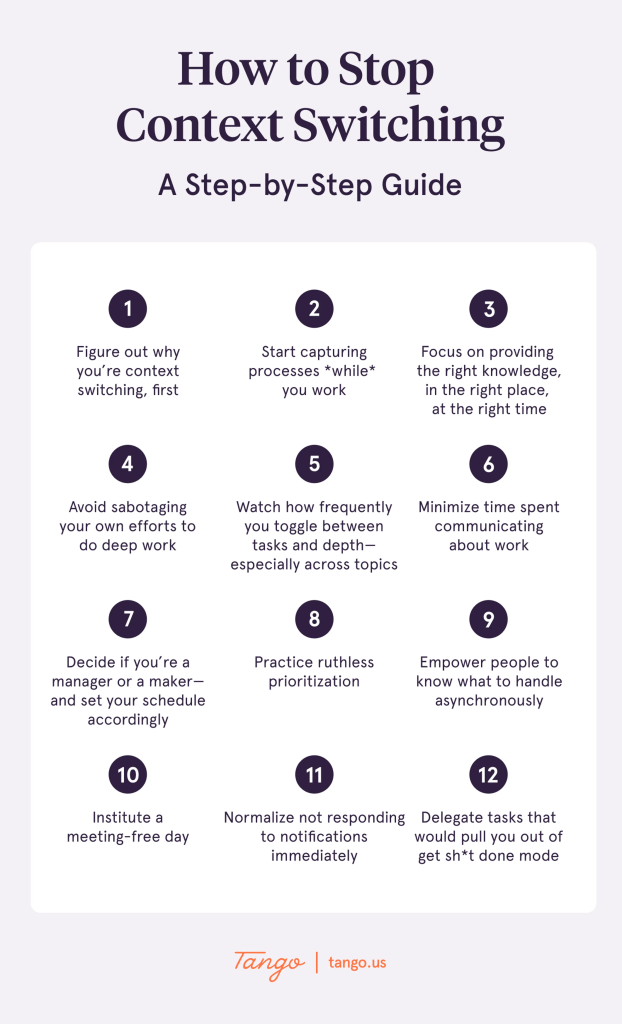
In a study from the University of California Irvine, researchers have shown that it can take up to 23 minutes to fully regain focus after a distraction. Yikes!
Here’s why batch tasking is a game-changer:
- Reduces cognitive load: By sticking to similar tasks, your brain doesn’t have to work as hard to switch gears.
- Builds momentum: As you get into a groove with related tasks, you’ll likely find yourself working faster and more efficiently.
- Minimizes decision fatigue: Grouping tasks means fewer decisions about what to do next, preserving your mental energy for important work.
- Improves focus: With fewer distractions and transitions, you can maintain deeper concentration on your tasks.
Identifying Task Clusters for Effective Batch Tasking
Now that we understand the ‘why’ behind batch tasking, let’s dive into the ‘how.’
The first step is to identify groups of similar tasks that can be batched together. This might take a bit of practice, but soon you’ll be spotting batch opportunities like a pro!

Here are some tips to help you identify your task clusters:
- Review your to-do list: Look for tasks that require similar tools, mental processes, or environments.
- Consider your workflow: Think about the different types of work you do throughout the day or week.
- Group by energy level: Batch high-energy tasks together, and do the same for low-energy tasks.
- Use time blocks: Consider tasks that naturally fit into specific time blocks (e.g., morning routine, after-lunch tasks).
Some common task clusters you might identify include:
- Email and communication
- Creative work (writing, designing, brainstorming)
- Administrative tasks (filing, data entry, scheduling)
- Financial tasks (invoicing, expense reports, budgeting)
- Learning and skill development
- Social media and marketing activities
Remember, your task clusters may look different depending on your job and personal responsibilities. The key is to find groupings that make sense for your unique situation.
Setting Up Your Batch Tasking System
Now that you’ve identified your task clusters, it’s time to set up a system that will help you implement batch tasking effectively.
Don’t worry – it’s not as complicated as it might sound.
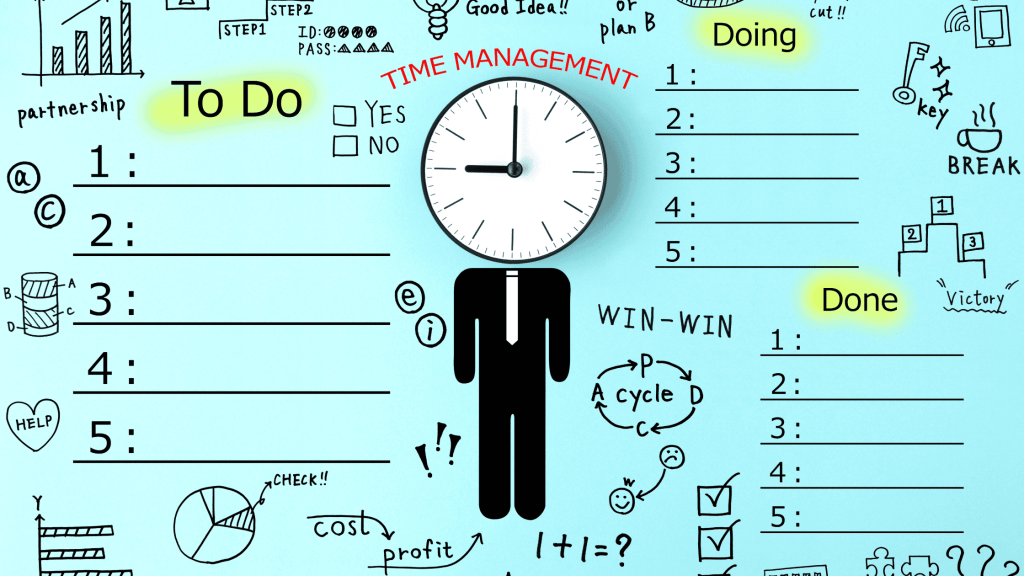
With a few simple steps, you’ll be batch-tasking in no time!
Here’s how to get your batch tasking system up and running:
- Choose a planning tool: Whether it’s a digital app or a good old-fashioned planner, pick a tool that works for you.
- Schedule your batches: Assign specific time blocks for each task cluster in your calendar.
- Prioritize your batches: Decide which batches are most important and schedule them during your peak productivity hours.
- Prepare for each batch: Gather all necessary materials and resources before starting a batch to minimize interruptions.
- Set clear start and end times: This helps create a sense of urgency and keeps you focused.
- Use a timer: The Pomodoro Technique (25 minutes of work followed by a 5-minute break) can work well with batch tasking.
- Create a distraction-free environment: Turn off notifications, close unnecessary tabs, and let others know you’re in “do not disturb” mode.
Remember, the goal is to create a system that feels natural and sustainable for you.
Don’t be afraid to experiment and adjust as you go along! With time the batch tasking technique will feel natural to you.
Batch Tasking Strategies for Different Types of Work
Now that we’ve covered the basics, let’s explore some specific strategies for batch-tasking different types of work.
Whether you’re a creative professional, an entrepreneur, or a busy parent juggling multiple responsibilities, there’s a batch-tasking approach that can work for you.
For Office Workers and Professionals

If your day involves a mix of meetings, emails, and project work, try these batch-tasking strategies:
- Email batching: Set specific times to check and respond to emails (e.g., 9 AM, 1 PM, and 4 PM) instead of constantly monitoring your inbox.
- Meeting clusters: Try to schedule all your meetings back-to-back on certain days or during specific time blocks.
- Deep work sessions: Allocate uninterrupted blocks of time for focused, high-priority tasks that require concentration.
- Administrative task: Group all your small administrative tasks (like expense reports or filing) into one batch to knock them out efficiently.
For Creatives and Content Creators

If your work involves writing, designing, or other creative tasks, consider these batch-tasking approaches:
- Idea generation sessions: Set aside time to brainstorm and generate ideas for multiple projects at once.
- Research batches: Gather information and resources for several projects in one focused session.
- Content creation sprints: Write multiple blog posts, create a series of social media posts, or design several graphics in one sitting.
- Editing and refining blocks: Group all your editing and polishing tasks together to maintain a critical eye across projects.
For Entrepreneurs and Small Business Owners

If you’re juggling multiple aspects of running a business, try these batch-tasking techniques:
- Financial focus time: Batch all your bookkeeping, invoicing, and financial planning tasks.
- Customer service blocks: Dedicate specific times to respond to customer inquiries and manage support tickets.
- Marketing and social media batches: Plan and schedule your social media posts and marketing activities in advance.
- Networking and outreach sessions: Group your networking activities, such as following up with contacts or reaching out to potential partners.
For Parents and Homemakers

If you’re managing a household and family responsibilities, these batch tasking ideas might help:
- Meal prep sessions: Plan and prepare meals for the week in one or two big batches.
- Errand runs: Group all your errands and outside-the-home tasks into one efficient trip.
- Cleaning: Focus on one type of cleaning task at a time (e.g., all the bathrooms, then all the floors). Pick a day for each part of your house so it won’t feel overwhelmed.
- Family admin time: Batch tasks like scheduling appointments, managing calendars, and organizing family activities.
Remember, the key is to find batching strategies that align with your specific work and lifestyle.
Don’t be afraid to get creative and experiment with different approaches!
Overcoming Common Batch Tasking Challenges
Just like any productivity method, batch tasking can have its challenges.
But don’t worry – we’ve got some ideas and practical solutions to help you stay on track.
Challenge: Difficulty Staying Focused During Long Batches
Solutions:
- Break down bigger tasks into smaller, more manageable chunks.
- Try the Pomodoro Technique to stay focused and take regular breaks.
- Create a playlist or use background noise to help you concentrate.
- Practice mindfulness techniques to bring your focus back when it starts to drift.
Challenge: Unexpected Interruptions Disrupting Your Batches
Solutions:
- Share your task schedule with your colleagues and family so they know when you’re focused.
- Use the ‘do not disturb’ settings on your devices to stay focused during work periods.
- Have a quick way to jot down unexpected tasks without interrupting your current work.
- Include some extra time in your schedule to handle any unexpected issues.
Challenge: Feeling Overwhelmed by Large Task Batches
Solutions:
- Begin with smaller, manageable tasks and gradually make them bigger.
- Divide larger tasks into smaller goals (sub-batches) or steps.
- Use a checklist to keep track of your progress.
- Celebrate the small wins as you complete each part of your task.
Challenge: Maintaining Flexibility in Your Schedule
Solutions:
- Keep some open time in your day for unexpected tasks or opportunities.
- Regularly review and adjust your schedule to make sure it’s still effective.
- Be flexible and willing to break your schedule if something truly urgent comes up.
- Use a combination of strict schedules for routine tasks and more flexible ones for variable work.
Challenge: Balancing Batch Tasking with Collaborative Work
Solutions:
- Work together with your team to coordinate schedules for shared tasks.
- Use tools that allow communication without needing everyone to be available at the same time, reducing interruptions.
- Set aside dedicated times for collaborative work and meetings that don’t overlap with individual tasking times.
- Share your approach to organizing tasks in batches with your team and ask for their cooperation.
Remember, overcoming these challenges takes practice and patience.
Don’t get discouraged if things don’t go perfectly at first – keep refining your approach, and you’ll find your batch-tasking groove in no time!
Tools and Technologies to Support Batch Tasking
In our digital age, there’s no shortage of tools to help streamline your batch-tasking efforts.
While you don’t need fancy software to be successful, the right tools can certainly make the process smoother and more enjoyable.

Here are some options that can supercharge your batch-tasking game!
Task Management and Planning Tools
These tools help you organize, prioritize, and schedule your batches:
- Trello: Great for visual task management and creating batch workflows.
- Asana: Offers robust features for task organization and team collaboration.
- Todoist: A simple yet powerful to-do list app with batch processing capabilities.
- ClickUp: Versatile project management tool with customizable views and workflows.
Time Tracking and Focus Apps
These apps can help you stay focused during your batches and analyze your productivity:
- RescueTime: Automatically tracks time spent on various activities and provides detailed reports.
- Forest: A unique app that gamifies focus time by growing virtual trees.
- Focus@Will: Provides scientifically designed music to enhance concentration during work sessions.
- Toggl: Simple time tracking tool to monitor how long you spend on different batches.
Communication and Email Management
Tools to help you batch your communication tasks effectively:
- Boomerang for Gmail: Allows you to schedule emails and set reminders for follow-ups.
- Slack: Great for team communication, with the ability to snooze notifications during focused work.
- Unroll.me: Helps manage email subscriptions, making it easier to batch process your inbox.
- SaneBox: Uses AI to sort your emails, making batch processing more efficient.
Automation Tools
These tools can help automate repetitive tasks, freeing up more time for focused batch work:
- Zapier: Connects different apps and automates workflows between them.
- IFTTT (If This Then That): Creates simple automation between various services and devices.
- TextExpander: Saves time on repetitive typing by expanding custom keyboard shortcuts.
- Alfred (for Mac): Boosts productivity with custom workflows, snippets, and search capabilities.
Remember, the best tool is the one you’ll actually use consistently.
Don’t get caught up in trying every shiny new app – instead, experiment with a few options and stick with what works best for your unique needs and workflow.
Measuring and Optimizing Your Batch Tasking Success
You’ve set up your batch tasking system, tackled a few challenges, and added some cool tools.
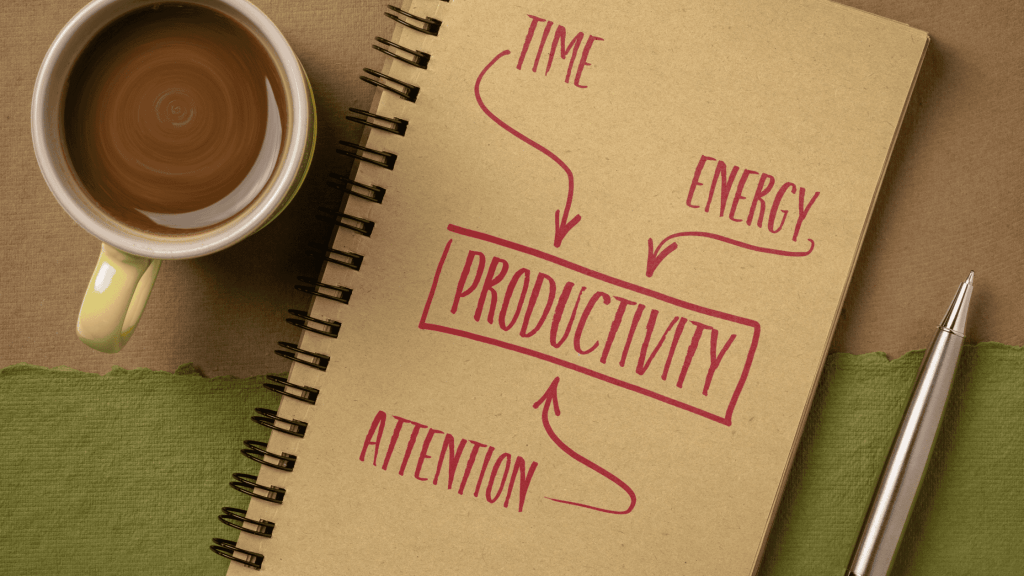
But how do you know if it’s actually working?
Let’s dive into measuring your progress and fine-tuning your approach for maximum productivity.
Tracking Your Productivity
To see if batch tasking is working for you, try these measurement strategies:
- Keep a productivity journal: Note how much you accomplish during each batch and how you feel afterward.
- Use time-tracking apps: Monitor how long tasks take with and without batch tasking.
- Set specific goals: Define what success looks like for each batch and track your achievement rate.
- Conduct regular reviews: Weekly or monthly, assess your overall productivity and satisfaction.
Optimizing Your Batch Tasking Approach
Once you have some data, use these tips to refine your technique:
- Analyze your most productive batches: What made them successful? Can you replicate those conditions?
- Experiment with batch sizes: Try longer or shorter batches to find what works best for you.
- Adjust your environment: Fine-tune your workspace, background noise, or other factors to enhance focus.
- Refine your task groupings: If certain batches aren’t working well, try regrouping your tasks.
- Listen to your energy levels: Align your most important or challenging batches with your peak energy times.
Remember, batch tasking is a skill that improves with practice. Be patient with yourself and celebrate the progress you make along the way!
Final Thoughts: Embracing the Batch Tasking Lifestyle
You’ve got all the tools and knowledge you need to become a batch-tasking pro.
By grouping similar tasks, cutting down on distractions, and working with your natural rhythms, you’re on your way to boosting your productivity and reclaiming your time.
Remember, batch tasking isn’t about working harder – it’s about working smarter. It’s all about bringing more focus, intention, and efficiency into your day.
As you start using these strategies, you might find yourself not only getting more done but also feeling less stressed and more satisfied with your work.
Start small, be patient with yourself, and feel free to tweak your approach as needed.
With a bit of practice and perseverance, you’ll be amazed at how much more you can accomplish – and how much time you’ll free up for the things that really matter in life.




0 Comments