










Buying a home is such an exciting time! You get to imagine what your new place will look like and all the wonderful memories you’ll create there.
But I know you probably have a lot of questions and concerns about the whole process. So don’t worry!
This comprehensive guide will help you understand everything you need to know and do when buying a home.
Paying Cash vs. Financing
The first step is knowing how you will be paying for the home.
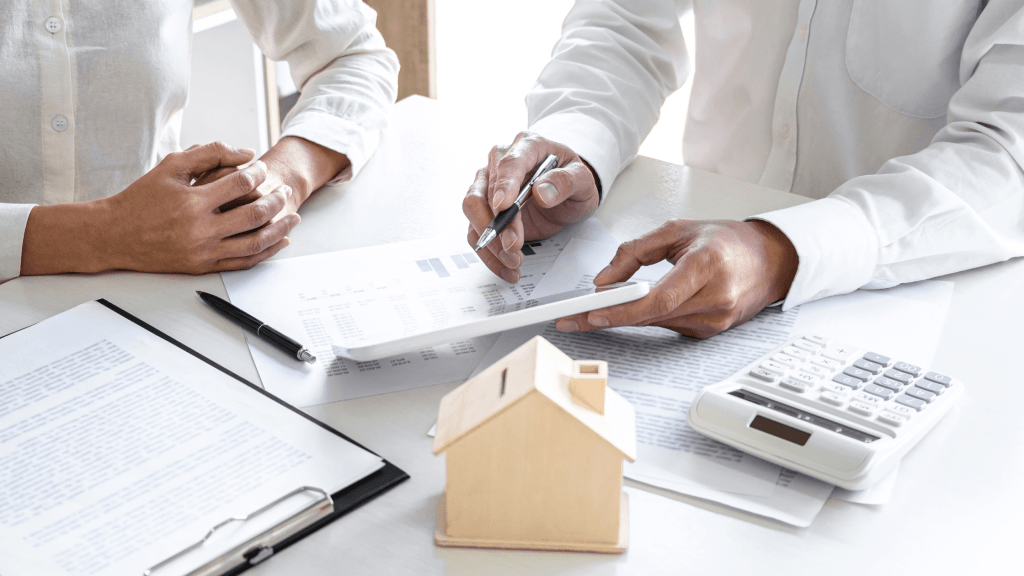
This may sound like a silly question but knowing if you can pay cash or need to finance your home is the very first step in the process.
Paying Cash For Your Home
Paying cash means that you will skip the mortgage process.
You will avoid paying all the costs and fees that are needed to obtain a mortgage, including paying interest rates or mortgage insurance.
Not paying interest to a lender over time can save you a lot of money in the long run!
Financing Your Home
Before you think of financing it is very important that you know YOUR budget.
Financing means that you will have to make monthly payments – so make sure you know how much you can afford monthly before looking into the financing options.
Keep in mind that you may be qualified for much more than you can afford – but you don’t have to get a loan for more than you need.
Finding a lender
I can’t stress this enough – shop around for the best lender! Did you hear that?
It is okay to interview various lenders before you make a decision – not every lender is created equal and some may not be a good fit for you and your family!
I highly recommend looking for a good reputable local lender.
Local lenders know the areas and are usually aware of local incentives that can help you save thousands of dollars!
Plus, with a local lender, you will have a direct relationship with a real person who will work hard for you and not just a big-name “customer service department” that may not be able to answer your questions right away.
Just a tip! A good local lender works on the weekend too in case you have any questions while you are out home shopping.
There are several different loan programs available – Conventional, FHA, VA, and USDA loans – and your lender can help you decide which loan program is best for you based on your financial situation.
Some lenders (and programs) have stricter requirements so you will need to do your homework to make sure you fully understand the requirements.
Keep in mind that when you are financing your home there are also additional fees that your lender may charge – so be ready to compare the fees when you are interviewing the lenders.

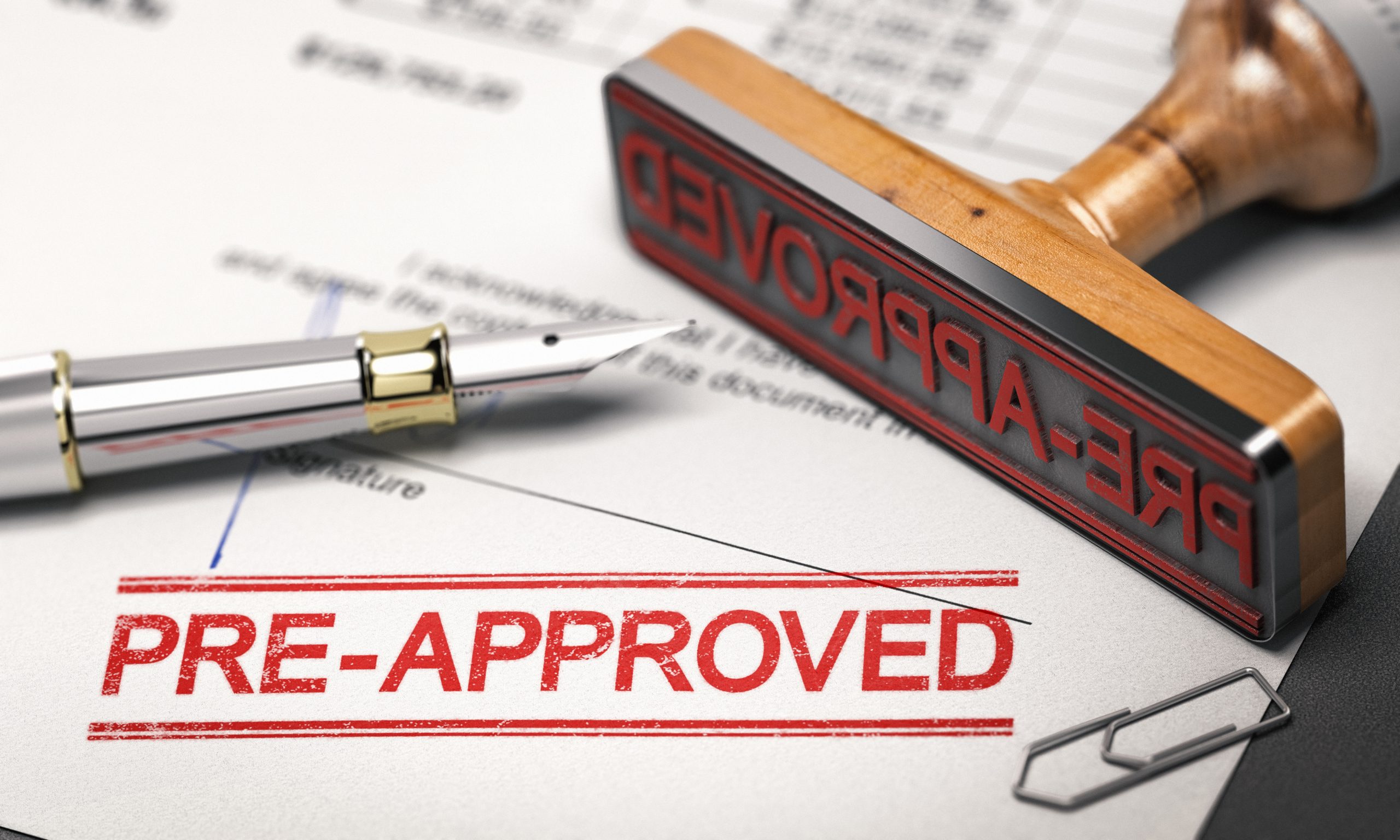
Once you have settled on your lender and have obtained a mortgage pre-approval (not to be confused with being pre-qualified – which means the lender did not look at your financials) you are now ready to search for a real estate agent to start shopping for your new home.
Finding a Real Estate Agent
NOW the real fun begins!
Although you don’t need a real estate agent to find your home, it is highly recommended that you have a real estate agent on your side to represent you and help you navigate the home-buying process.
A good real estate agent will be representing YOUR best interest.
They will not only help you find, and tour your future home, but they will also help you with submitting the offer and negotiations.

Just like finding the perfect local lender that will be a good fit for you and your family, finding a real estate agent is also very important.
Not every agent will be a good match for you and your family – so make sure to interview as many agents as you need to before signing/committing to working with “the one“!!!
Also, NEVER, ever, ever feel pressure to work with a real estate agent just because they may be a friend or family – when money is involved it can have the potential to turn into a bad relationship faster than you expect!
Do Your Research About The Real Estate Agent
Here are several ways you can start your search for a good reputable real estate agent:
- Ask your close friends, family, coworkers, and neighbors for a referral
- Do a Google search and make sure you read the review
- Research social media for past client reviews and how hard the agent works for other clients
- Ask your lender who they highly recommend
- Make sure you interview several real estate agents because every agent works differently
A good real estate agent will respect your time, answer all your questions, and will never make you feel rushed to buy a home or make you feel that you are making the wrong decisions for you and your family.
They will merely represent your best interest and make sure they listen and accommodate your wants and wishes for your future home while guiding you throughout the buying process.
Also, if an agent is representing the seller on a sale of their home, never assume they have your best interest in mind as a buyer – they may be nice but their duty is to the seller, not to you as a buyer. So always get your own separate real estate agent to represent you when buying your home.
What to look for when buying your home
So by now you are looking at homes within your budget and checking off what you like and don’t like.
It’s very important that you think of your current and future lifestyle in this home. What may be a good fit for you at this exact moment, may not be exactly what you need or want in the future.
Location
You will hear “location, location, location” A LOT in real estate!
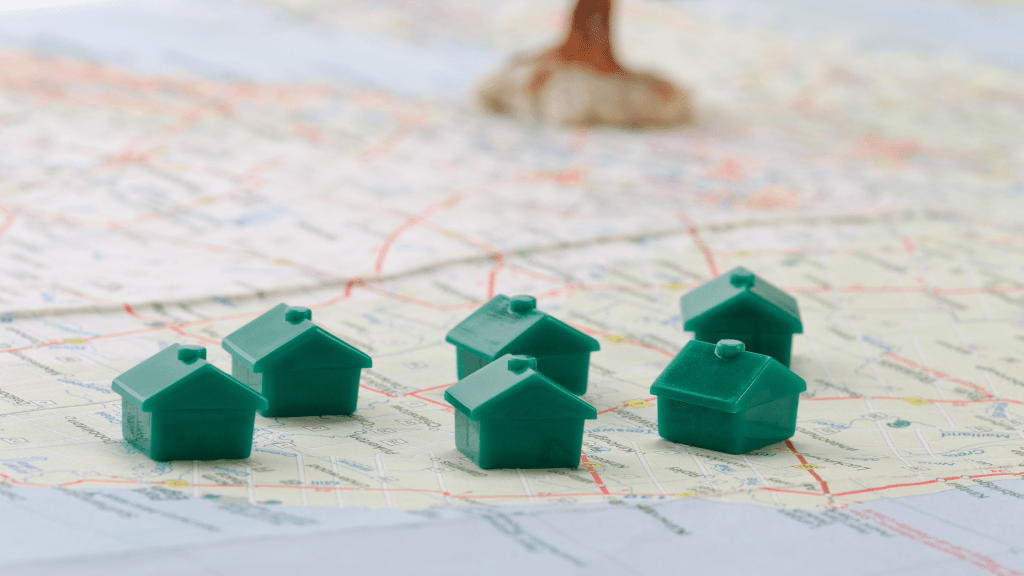
That’s because it is true – location is everything and it is the one thing you cannot change about the house!
It will also determine your future resale value along with many other changes in your life.
Whenever you are looking for your home think of every possibility for the future:
- Will there be a job change?
- Will there be kids in the future that will need schooling?
- What about infrastructure – are there any new constructions going on nearby?
- How close will you be to the nearest highway, hospital, shop, entertainment, school, and work?
What may be a convenient location at this moment may not be so in the future. So don’t overlook the surroundings of the property.
Price
When searching for a home, the price should either be a make-it or break-it deal!

In a highly competitive housing market, bidding wars tend to be common with houses selling very fast – so be prepared to negotiate with the seller but always keep your budget in mind – don’t let the emotions get in the way of what makes sense for you and your family financially.
Always make sure you stay within the budget that you can afford.
Related: 25 Hidden Costs of Buying a Home: Unexpected Expenses You Need To Know
Style and Size
You want to be happy in the home so consider the style and square footage of the home to be both a short-term and long-term goal.
Remember that your needs may change in the future – so it is always a good idea to forecast a few years ahead and make sure the house will be a good fit for you and your family when that time comes.
Home Amenities
Unless you are buying a fixer-upper and are ready to throw down a lot of money for renovation and appliances make sure the house has all you need inside and out.

From flooring, appliances, lighting fixtures, finishes, and yard features, these little fixes can add up to a lot of money if you are not ready financially to tackle repairs and replacements.
Local Public Schools
The quality of the public school is very important when purchasing your home.
Regardless if you have school-aged children, being in a good school district will say a lot about the overall quality of life in the area.
Being in a good school district will also help with the value of your home.

Neighborhood Safety
When looking for an area for your next home, make sure the neighborhood is located in a safe area – especially if you have kids or plan on having kids.

Check your local and county crime rate to ensure that you and your family will feel comfortable and at ease in your new home.
Many neighborhoods have social media community pages that you can join. If you are serious about a neighborhood, spend some time in that neighborhood – go check out the neighborhood at different times of the day and night.
Go for a walk down the street, check out local businesses, and get a feel for what it is like to live in the area.
Related: Moving Vlog
What You Need To Do To Buy a House
So now you have found your dream home, you have sent an offer and it was accepted by the seller.
Congrats! You are officially under contract.
The next few weeks will be very important. You will have specific dates and deadlines that you will have to meet until the closing date.
Depending on the terms of your offer here are a few things that will happen during the process:
Mortgage Application
If you are financing your home and you have not yet started a formal mortgage application, now is the time to do so.
Once you are under contract you will have a certain amount of time to complete a formal mortgage application with your lender.
Inspections
This will be the most important part of the buying home process.
Trust me, you cannot afford to skip this step no matter how enticing it is to avoid the inspection in order to get your offer accepted.
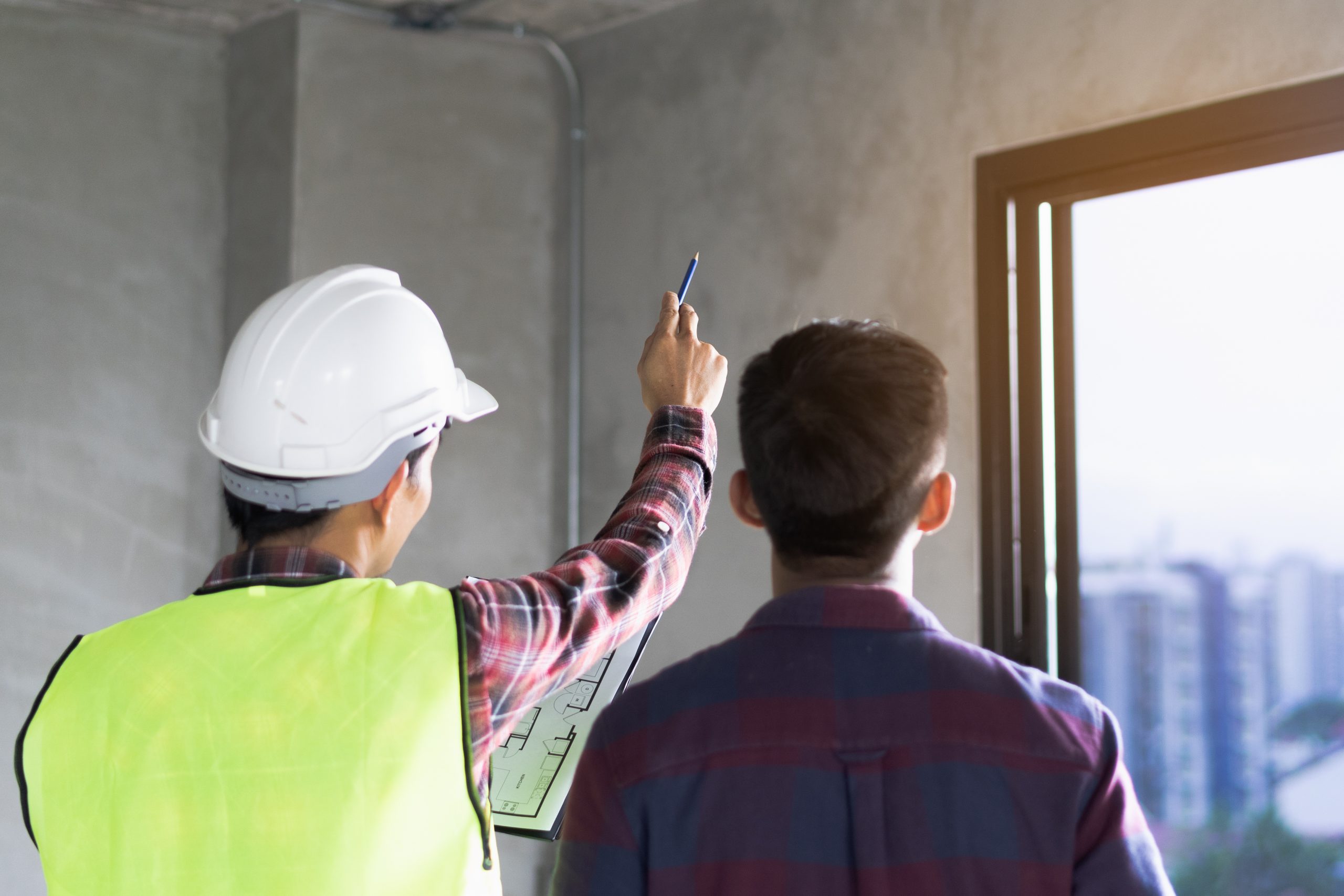
The inspection will reveal to you what issue if any, your dream home may have.
Make sure you hire a good reputable inspection company that will look at everything for you – the roof, foundation, bathrooms, walls, heating and cooling systems, basement, attic, garage, etc.
Although certain inspection areas like the roof and heating and cooling systems may need a qualified professional to give you a more detailed opinion, a regular inspector will be able to give you an overall idea of what an issue may be, if any exists.
Don’t cut yourself short on the cost of hiring an inspector because this could save you thousands of dollars in the future.
Closing Cost
Your lender will provide you with an estimate of the closing cost early in the mortgage application process.
The disclosed fees will reveal what you will have to pay in order to get the loan. The fees will vary by transaction and lender.
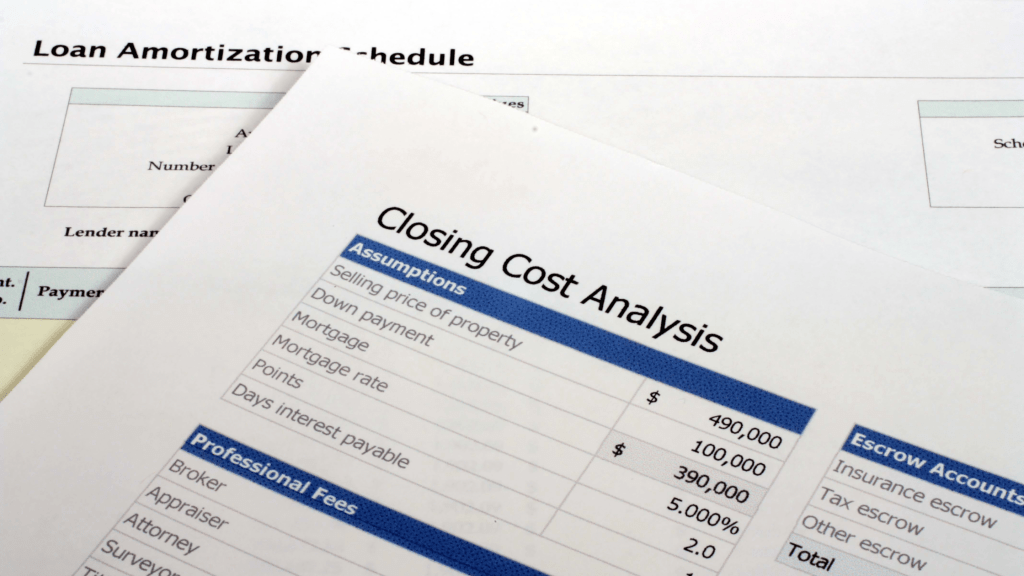
Here are a few fees to keep in mind when you are buying your new home – some of these fees will vary from state to state:
- Earned Money Deposit and Downpayments
- Mortgage Application Fee
- Inspection Fees
- Attorney Fees
- Title Company Fees
- Appraisal Fees
- Property Taxes
- Transfer Taxes / State or County Tax
- Survey Fees
- Utilities
- Homeowner’s Insurance
- Flood Insurance
- Homeowner’s Association
- Community Development District (CDD) Fees
- Real Estate Agent Commission – Usually, the buyer doesn’t pay for the real estate agent’s commission – but be aware that if the seller doesn’t pay – you, as the buyer, are responsible for the fees
Keep in mind that some of these fees will need to be paid upfront before closing.
This is why it is important to have a real estate agent and a good lender representing you so they can guide you and let you know if the house you are buying will have any or all of these fees associated with the property.




0 Comments