








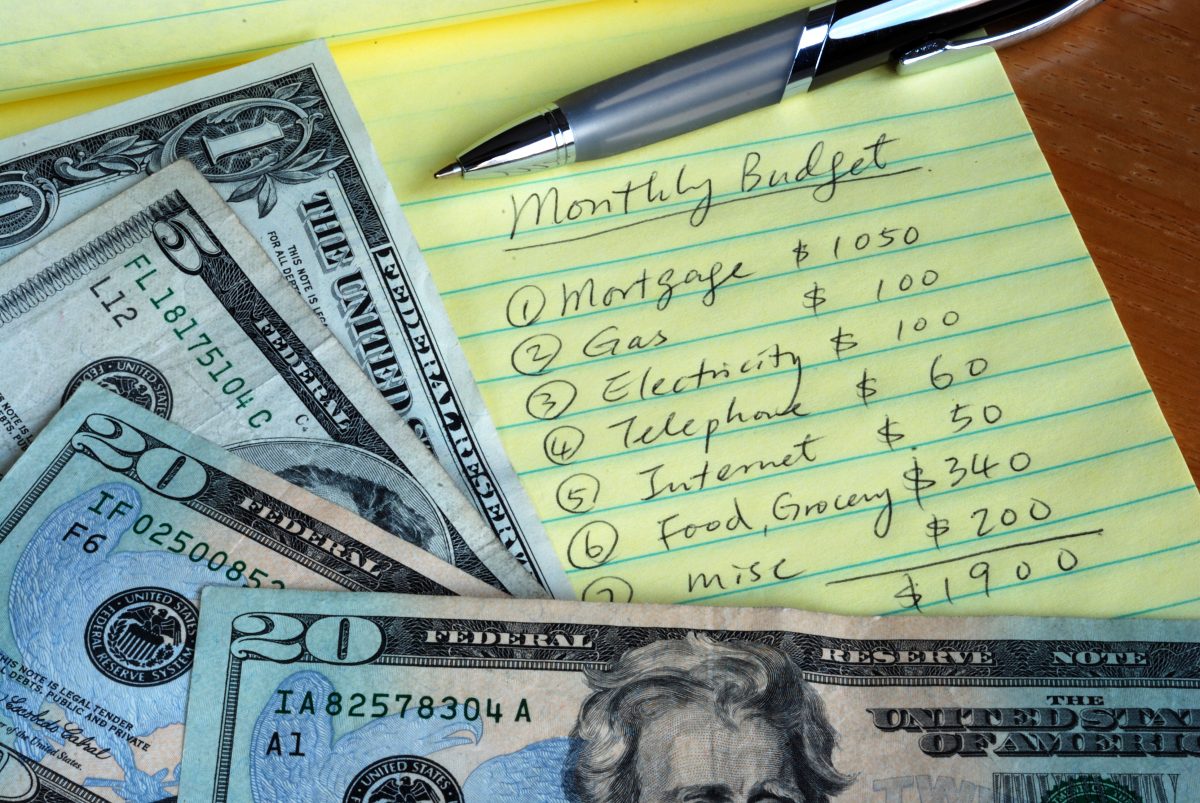
The best budgeting method will depend on your individual financial situation and goals. Some popular budgeting methods include the 50/30/20 Rule, the Cash Flow Method, the Zero-Based Budgeting Method, and the Envelope System. Ultimately, the best budgeting method is the one that works best for you.
50/30/20 Rule
The 50/30/20 rule is a budgeting guideline that suggests allocating 50% of your income towards essential expenses, 30% towards discretionary expenses, and 20% towards savings.
Essential expenses include items such as housing, groceries, utilities, transportation, and healthcare. Discretionary expenses include items such as entertainment, dining out, vacations, and clothing. Savings should include both short-term and long-term goals, such as an emergency fund, retirement, and investments.
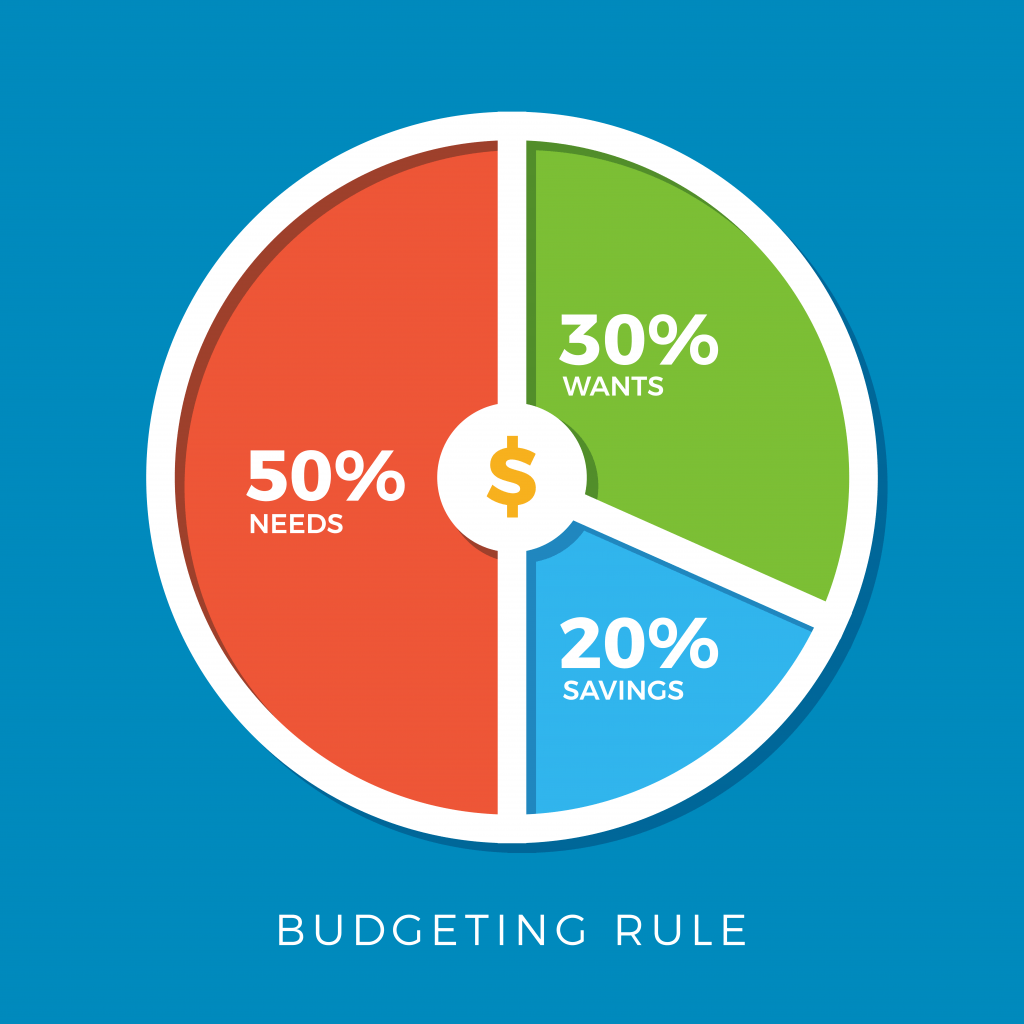
By following the 50/30/20 rule, you can ensure that you are able to cover your essential expenses, enjoy some leisure activities, and save for the future.
Cash Flow Methodology
Cash flow budgeting is a powerful and effective methodology for you to track and manage your finances. It is a method that involves projecting income and expenses over a period of time in order to manage available resources and meet financial goals.
This method of budgeting allows for better control of cash flow, which is critical to financial stability. It also encourages you to plan for the future and maintain a surplus of funds for unexpected expenses.
Cash flow budgeting can help you identify areas of overspending, create a plan to reduce expenses, and actively monitor your budget over time. It is an invaluable tool for those who are serious about maintaining their financial well-being.
The zero-budget cash flow methodology is a financial planning tool used to predict your future cash flow. This method helps identify potential cash flow problems and allows you to plan for the future. It involves forecasting cash inflows and outflows over a certain period of time, typically a year.
This method can be used to help you make decisions about investments, budgeting, and other financial matters.
Zero-Based Budgeting Method
Zero-based budgeting is a budgeting method in which all expenses must be justified for each new period. This means that all expenses must be examined and approved for each budget period, regardless of whether they were approved in the prior budget period.
This method of budgeting requires that all expenses are justified and that all spending is closely monitored. It is a system of budgeting in which all expenses are allocated from the beginning of each budget period, even if the same expenses were allocated in the prior budget period.
This type of budgeting requires that all expenses are justified and that all spending is closely monitored. It is a more rigorous approach to budgeting than traditional budgeting methods, as it requires a detailed examination of all expenses, and it ensures that all spending is justified.
Envelope System
The budgeting envelope system is a budgeting method that uses physical envelopes to separate and allocate money for different expenses.
This system is based on the idea that cash should be separated into different envelopes, each representing a different expense category. When an individual wants to make a purchase, they take the cash from the appropriate envelope.
This system helps you to keep track of their spending and to stay within your budget. It also helps you to visualize how much money you have left in each budget category.




0 Comments